There is something powerful about the moment when learners are having fun. The laughers they shared when they are doodling, making, moving, laughing, experimenting, and lowering their guard. The act of play creates a space where students can take risks, push boundaries, and engage with ideas openly. It invites creativity and honesty.
I have been thinking about the relationship between innovation, MakerEd, and inclusion as an educator. This is the beginning of my journey from here, this is what I want to explore through my teaching practice. What kind of activity can I design that allow young learners to play as they learn to address and solve problems with an open mind?
Starting with play
Too often, school begins with silent assumptions. Students quickly pick up on what counts as “good,” who gets praised, whose behaviors are rewarded, and which parts of themselves feel safest to show. Those expectations can become so normal that neither students nor adults question them.
This activity shifts that dynamic by starting with collaborative drawing. Students work in groups, trace a body outline, and build a visual representation of the “perfect student” by adding visible traits on the outside and internal thoughts, attitudes, emotions, habits, and expectations on the inside. The activity is physical, social, creative, and reflective all at once. It gives students something to make together before asking them to critique it.
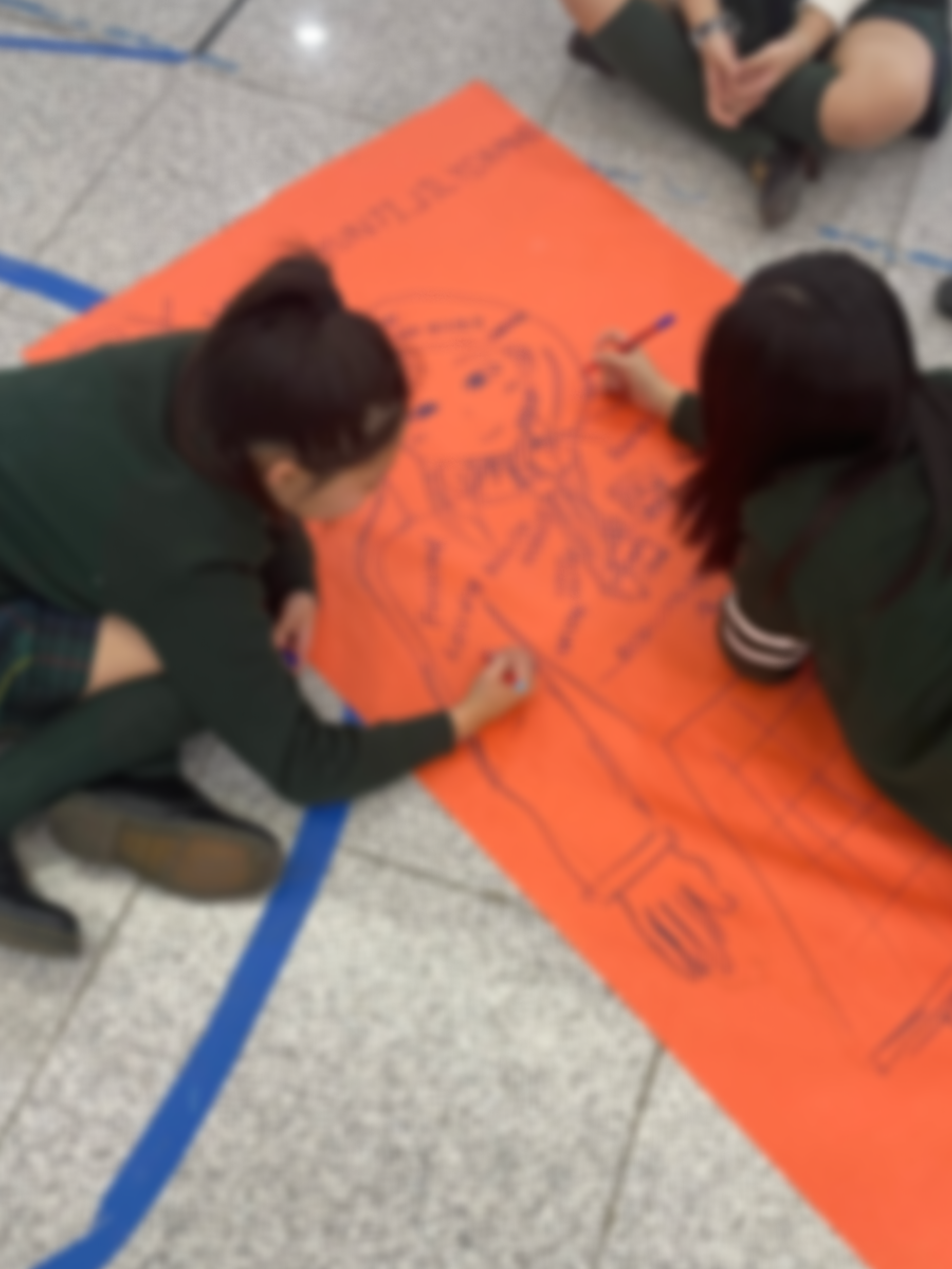
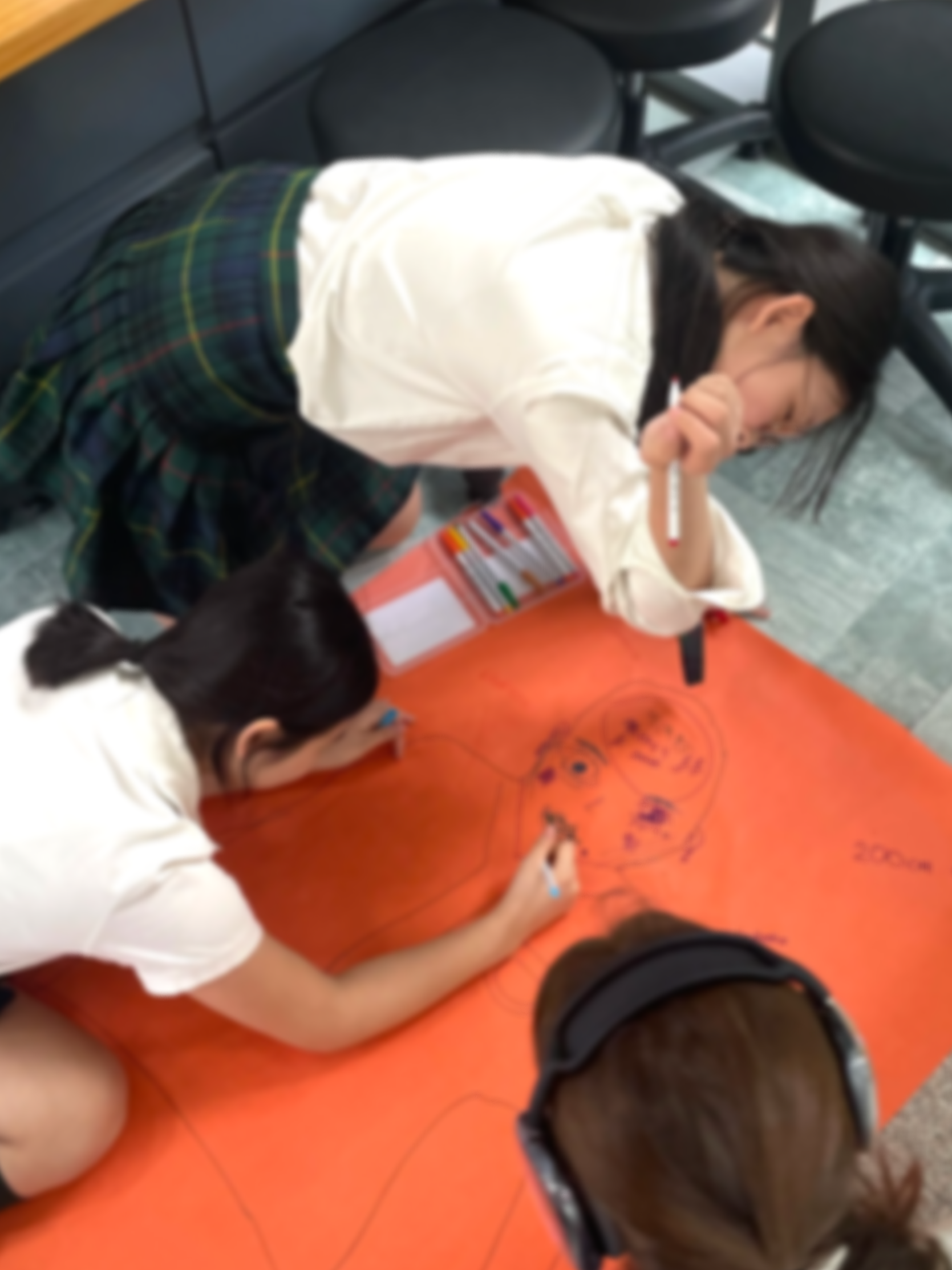
What students reveal when they build together
One part of the lesson I find especially powerful is the gallery walk. After groups create their posters, students circulate, study each other’s work, and respond with sticky notes about what feels realistic, helpful, harmful, or impossible. In the lesson plan, examples of common traits include things like “always happy,” “never tired,” “top grades,” “never questions adults,” and “speaks perfect English.”
What this activity helped us see
What stays with me most is this: students often tell us what they need, but not always in direct language.
Sometimes they tell us through the roles they take in a group.
Sometimes through what they draw.
Sometimes through what they joke about.
Sometimes through what they cross out.
Playful, collaborative structures help bring those signals closer to the surface.
Download & Video
I have included a downloadable lesson plan for Designing the Perfect Student and sharing a companion video that explains how this lesson connects with cultural awareness, collaborative learning
